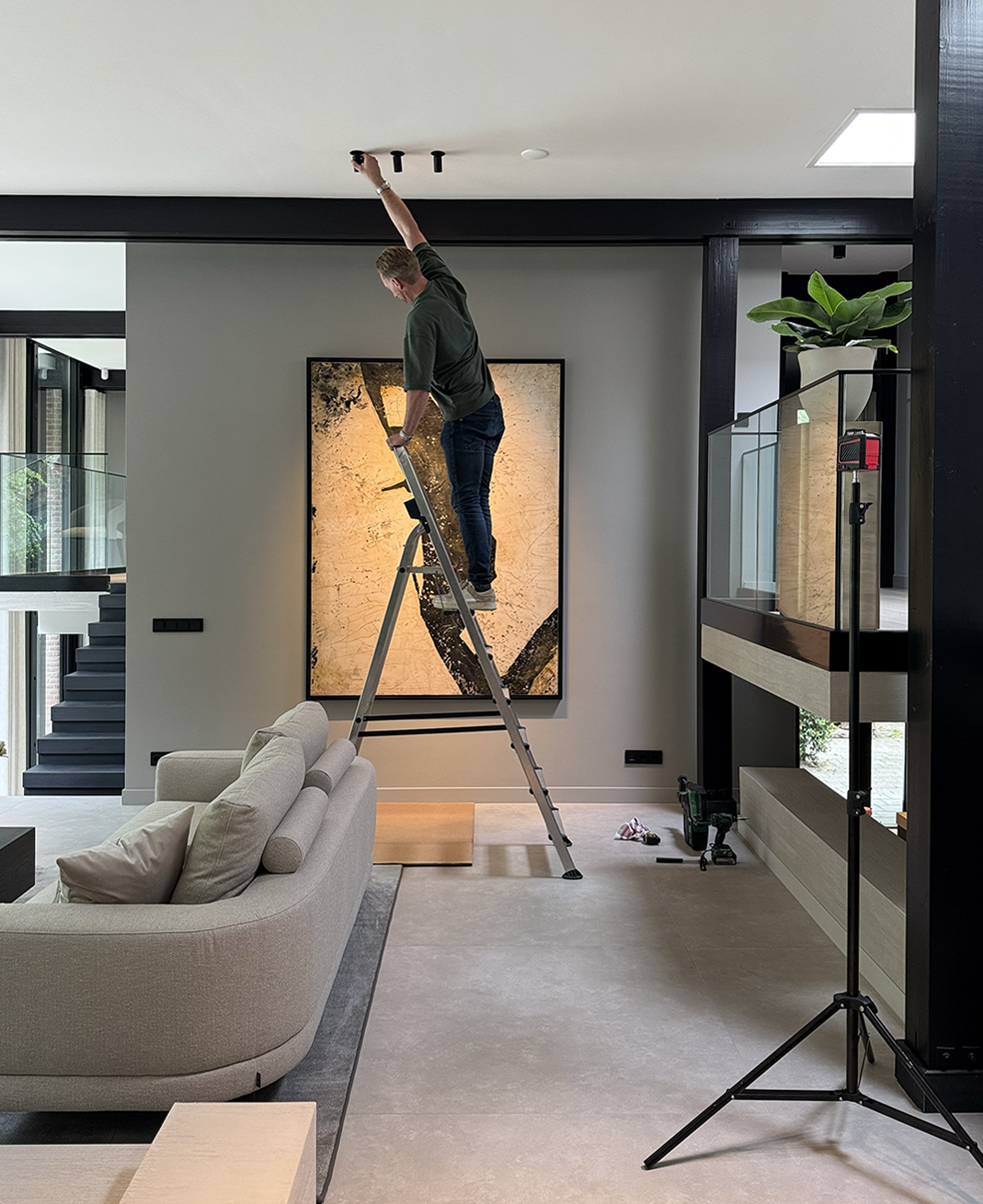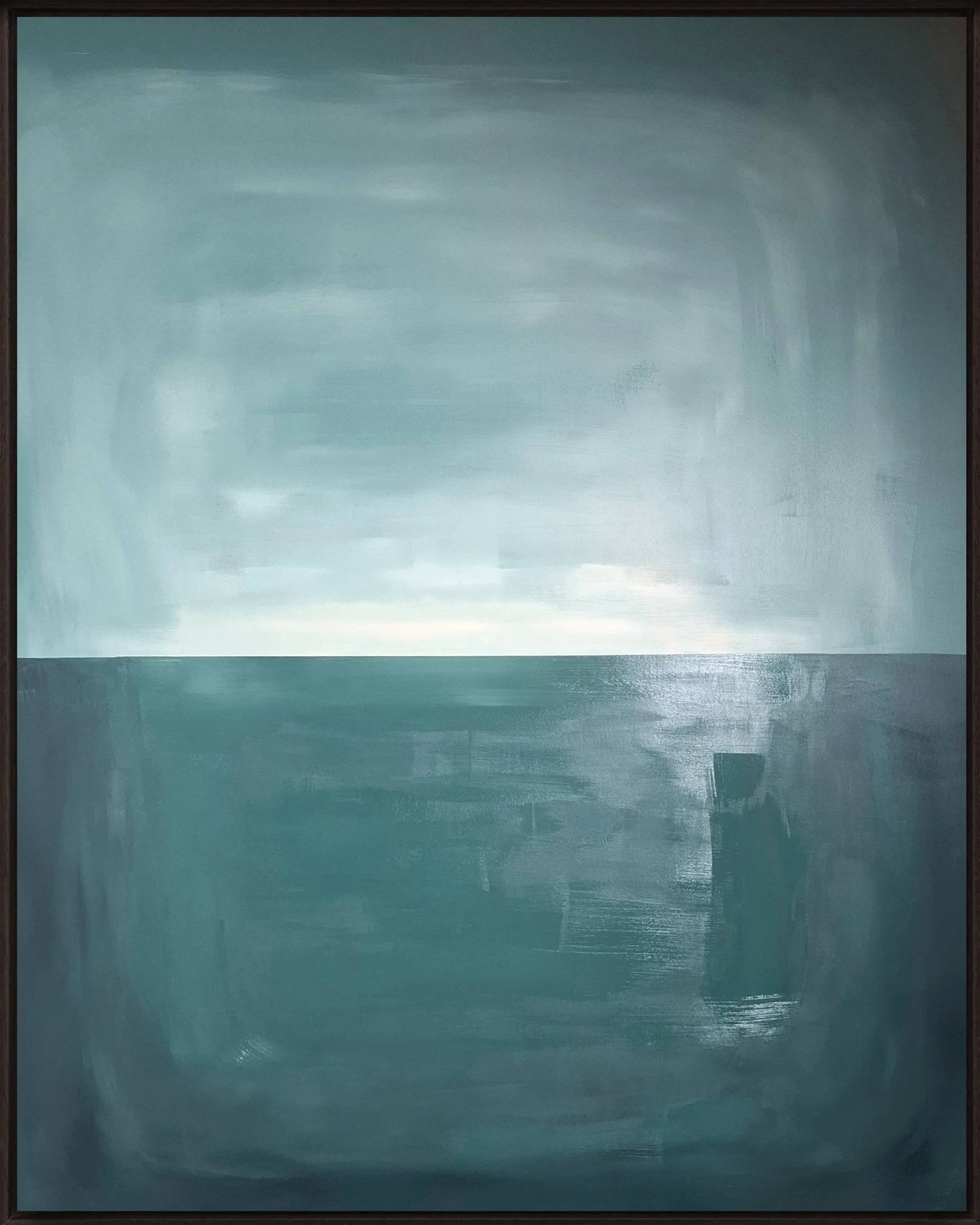

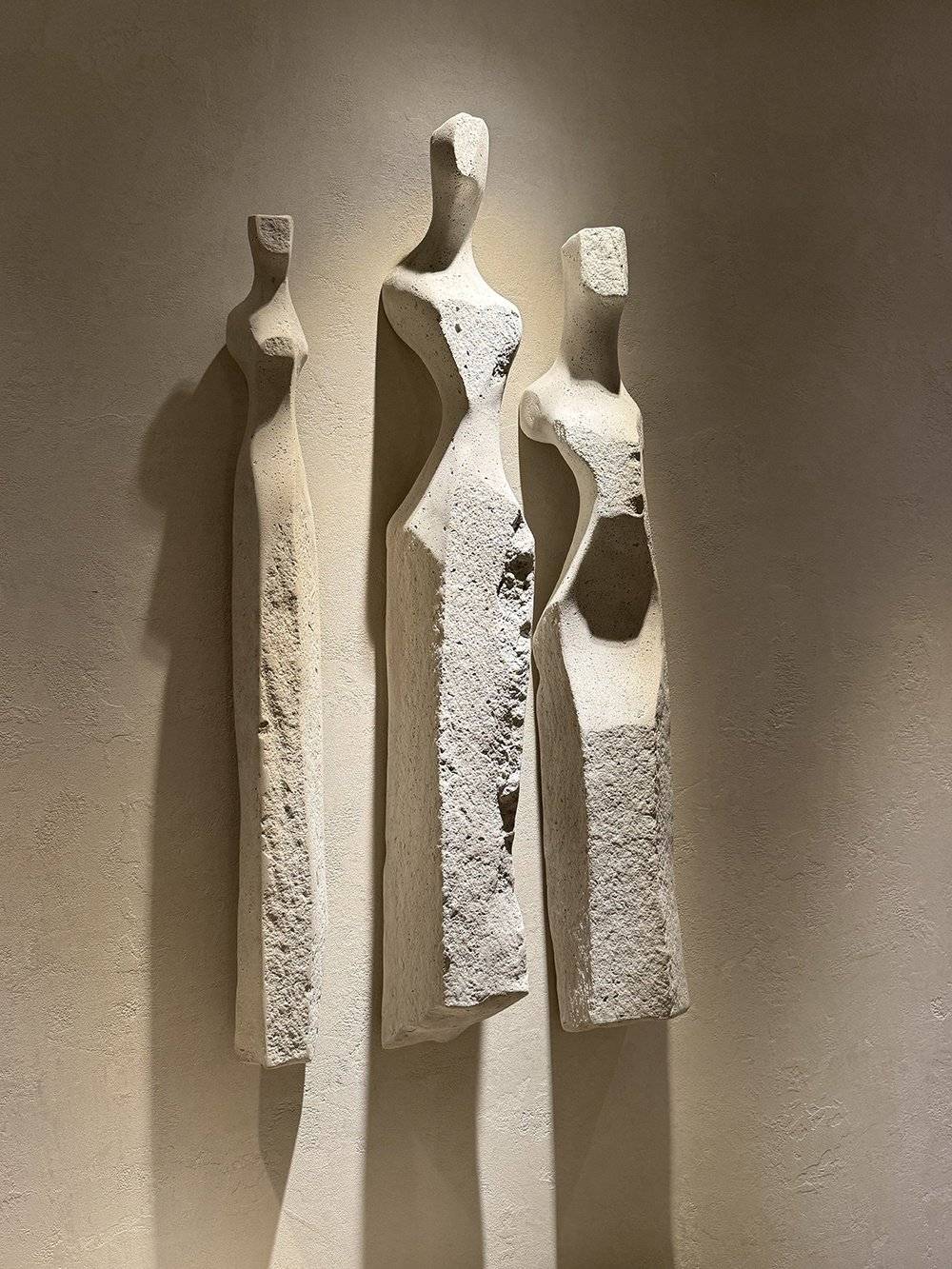

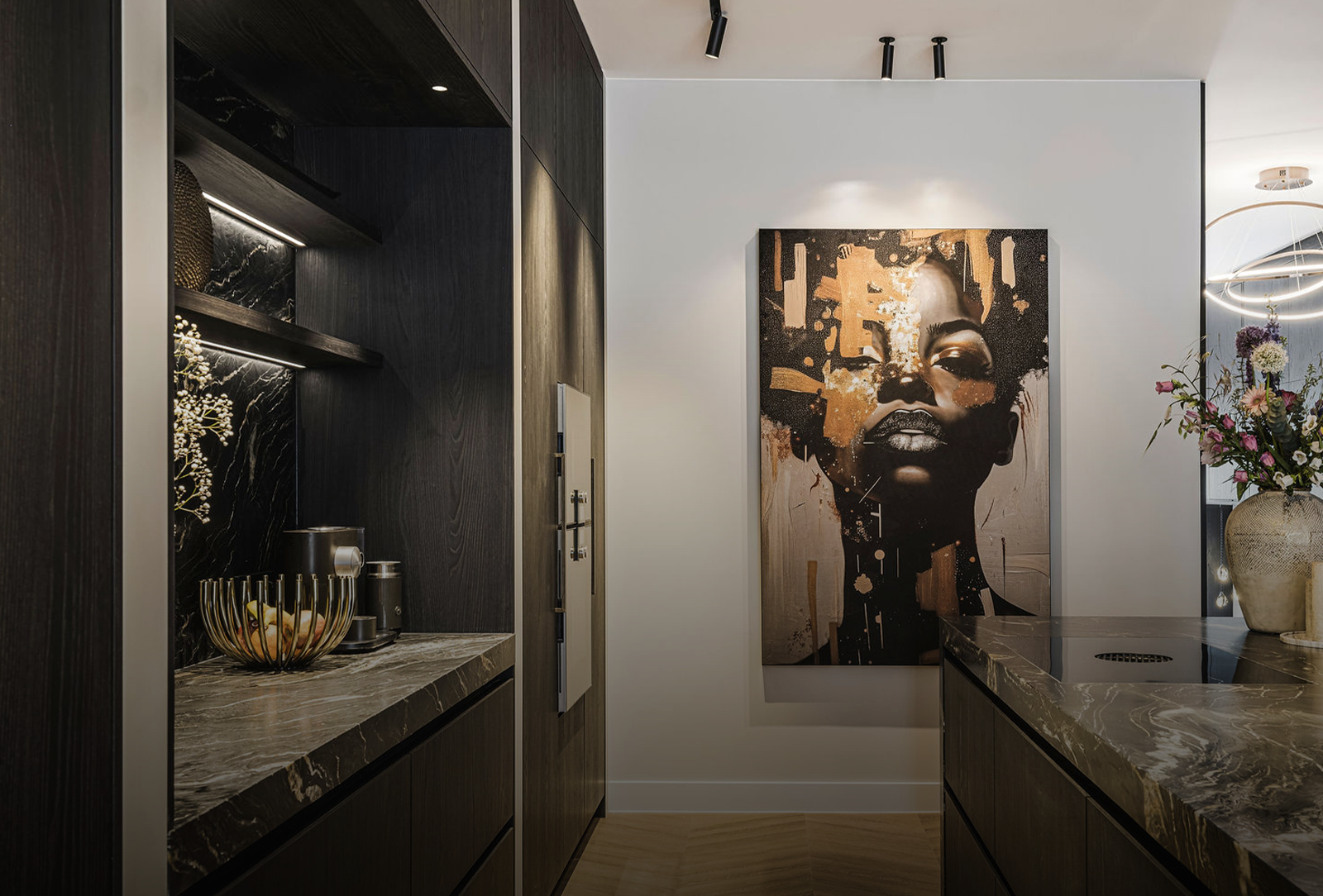
No matter how powerful a work of art may be, without proper lighting, you miss out on an important part of the experience. Light determines how colours are perceived, how textures stand out and which details catch the eye. Especially in modern interiors with sleek walls and calm materials, lighting is often the element that makes art visible as it was intended. And that is precisely why lighting art is more than just pointing a lamp at the wall.
Good lighting is more than just a spotlight on the wall
Lighting art requires precision: light that is too bright can cause harsh reflections and make the work appear restless. Light that is too dim makes colours look faded and takes away the depth. The direction of the light is also important: incorrectly placed light can cause annoying glare, shadows or an overly bright centre point in the work.
That is why good art lighting does not start with the fixture, but with the artwork itself.
Beam width, balance and tranquillity in the image
An important factor is the beam width. A narrow beam allows you to accentuate details or a specific part of the work. A wider beam, on the other hand, provides an even distribution, which often works better with larger works. This also prevents 'hot spots': areas where the light is too bright, making the rest of the work less legible.
Protection of light-sensitive art
With some works of art, extra caution is important. Some of the materials used in a work of art are sensitive to prolonged exposure to light. In such situations, it is important that the lighting can be dimmed properly and that the light intensity remains low. The quality of the light source also plays a role: modern LED lighting without UV and IR radiation is a safe and sustainable choice in this regard.
Dimming: not just atmosphere, but also presentation
Dimming is often seen as a way to make a space more cosy, but in art lighting it is primarily a tool for refining presentation. By subtly softening the light, a more peaceful atmosphere is created and a work is often viewed more intensely. With techniques such as Dim2Warm, the light also becomes warmer when you dim it, making the appearance feel more natural and softer.
Accent and wash: two ways to let art speak
Not every work requires the same approach. With accent lighting, you focus the light very specifically on a single work of art, so that it really gets the attention it deserves. With wash lighting, on the other hand, the wall is evenly lit, allowing a work to come into its own in a calmer and more uniform way. That choice largely determines how art is experienced and how it relates to the rest of the space.
Colour temperature and daylight must work together
Many interiors feature a mix of daylight and artificial light. Because daylight changes throughout the day, it is important that artificial light complements it well. If the colour temperature is incorrect, a work of art may look different during the day than it does in the evening. Adjustable colour temperatures make it possible to make that experience more consistent and sometimes even reveal additional nuances in the work.
Illuminating art with care
Good art lighting is not about more light, but about better light. When the beam, intensity and colour temperature are right, a work of art comes into its own without feeling unnatural or overexposed. The result is a presentation that creates a sense of calm, reveals details and gives the work exactly the attention it deserves.
Curious about how you can optimally illuminate art in your space? Feel free to contact us, we are happy to help you.